
The picture comes from Baidu Pictures
It is difficult to measure the compressive strength of base paper or paperboard along the width direction (i.e. perpendicular to the thickness of the paper). Because the thickness of paper or paperboard is very small, it is difficult to apply pressure on a flat piece of paper in a direction perpendicular to its thickness while keeping the base paper or paperboard stable in shape. If the paper or paperboard is made into a ring, its shape stability will be much better when pressure is applied. Therefore, the base paper or paperboard is made into a ring and then its compressive strength is measured, which is the ring compression strength of the base paper or paperboard. The measurement is carried out on a small pressure testing machine.
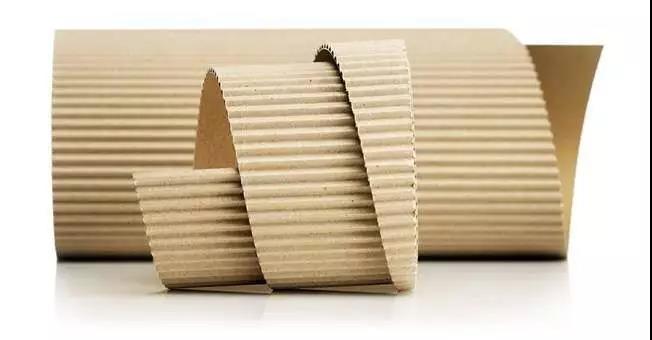
The main function of the corrugated core is to keep the corrugated board at a certain thickness when it is deformed under pressure, so that the board can obtain a larger moment of inertia. This function of corrugated paper is closely related to its reliability in corrugating on a single-facer. The corrugated core must be able to withstand stress and strain, form uniform and equi-height corrugations when corrugating at high speed, and be firmly attached to the face paper.
The picture comes from Baidu Pictures
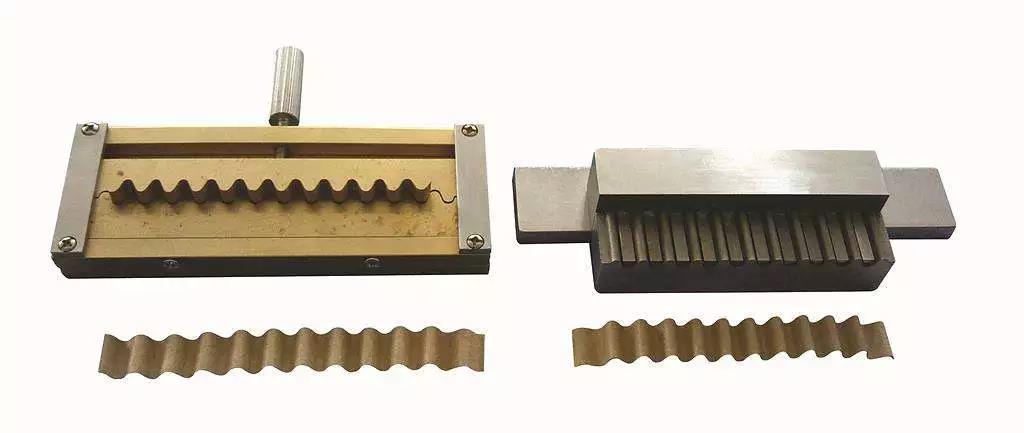
This function of the corrugated core can be measured by the flat compression strength of the fluted corrugated core. The flat compression strength of the corrugated core is measured by first pressing the corrugated base paper into a certain shape of corrugation under a certain temperature and pressure using a flute tester. Then, a flat compression test is performed on a small testing machine to measure its load-bearing capacity, which is expressed in KN (kgf).
An inherent characteristic of corrugated cardboard is that it has a larger moment of inertia than ordinary cardboard. When corrugated cardboard is subjected to a large moment of inertia under pressure, it is a prerequisite for maintaining its inherent characteristics to maintain its original thickness. Therefore, the ability of corrugated cardboard to withstand a flat pressure load without being crushed is an important strength indicator of corrugated cardboard. This indicator is particularly important for the elasticity of corrugated cardboard during use and for maintaining the original thickness of the cardboard in various processing processes of making cartons.
The flat compressive strength of corrugated cardboard is expressed as the magnitude of the force acting vertically on the unit area of the cardboard, and the unit is kPa. To measure the flat compressive strength of corrugated cardboard, a small pressure testing machine can be used, using a round sample with a diameter of 5.13 cm.
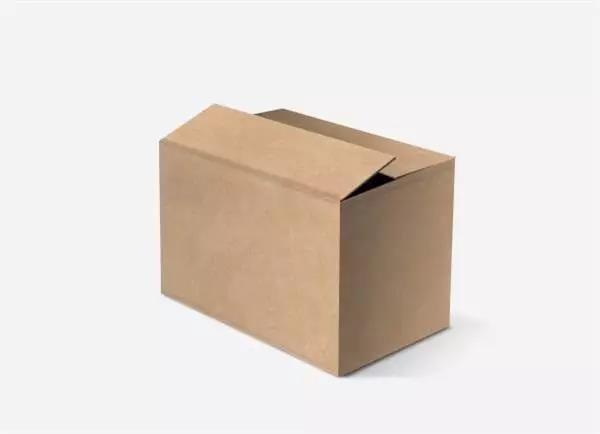
Corrugated boxes are different from paper bags in that they are used as rigid containers and must maintain a certain shape when used. One of the main forms of damage to corrugated boxes is crushing and loss of rigidity. A large amount of research has shown that one indicator of the rigidity of a box is its compressive strength, which is directly related to the edge compression strength of the corrugated board.
The picture comes from Baidu Pictures
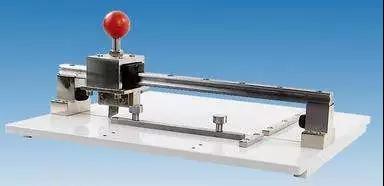
The edge compression strength of corrugated cardboard refers to the ability of the cardboard to withstand compressive loads along the corrugated direction. It is expressed as the force per unit length in N/m. This indicator can be used to compare the quality of products produced under similar conditions but not from the same batch; it can also be used to compare the edge compression strength of corrugated cardboard produced from different materials.
A small pressure testing machine can be used to measure the edge compression strength. The upper and lower pressure plates are both 100mm*100mm in area, and the other requirements are the same as those for measuring the flat compression strength. Two rectangular metal guide plates are also required to hold the sample, with a length of 100mm and a cross-section of 20mm*20mm.
The picture comes from Baidu Pictures
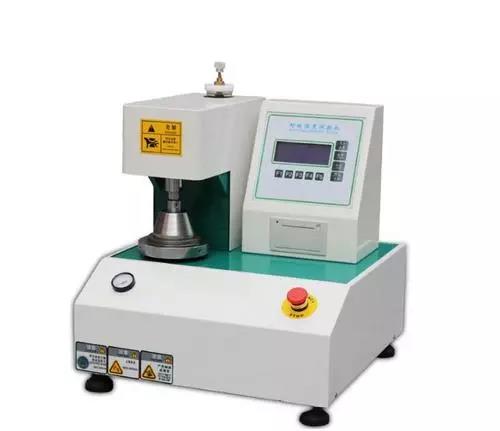
Burst resistance has always been considered an important quality indicator of corrugated board and its components (core paper, face paper and lining paper). In the early days, even the entire quality specification of corrugated board was mainly based on burst resistance. Although the current specifications have taken into account indicators such as edge compression strength, the determination of burst resistance is still of great significance. Because the board is subjected to stress similar to that during the use of the board. Burst resistance is the load of paper or board without breaking, which indicates the ability of paper or board to withstand external pressure without breaking. Burst resistance is measured with a burst resistance meter.
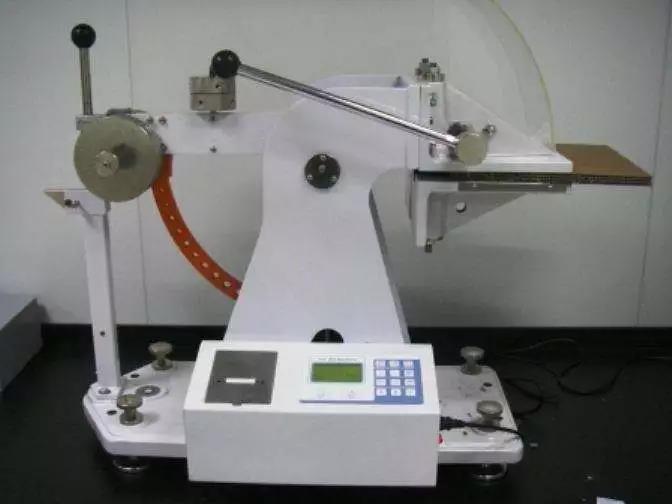
Puncture strength is a comprehensive indicator that can be used to measure the ability of corrugated paperboard to resist damage when it is impacted by sharp objects. Recent studies have shown that the tear strength of the face paper in both the longitudinal and transverse directions is related to the corrugated core paper, and the flat compression strength of the corrugated core paper has an important influence on the strength of the corrugated paperboard. Puncture strength has become increasingly important recently, and many countries have included this indicator in the quality standards for corrugated paper.
The picture comes from Baidu Pictures
The puncture strength is measured by a puncture strength tester. The tester uses a pendulum equipped with a puncture head to measure the ability of the paperboard to resist puncture by the change in potential energy before and after puncturing the paperboard. The change in potential energy is converted into kinetic energy to puncture and tear the paperboard, and this is used to indicate the puncture strength of paper or paperboard.
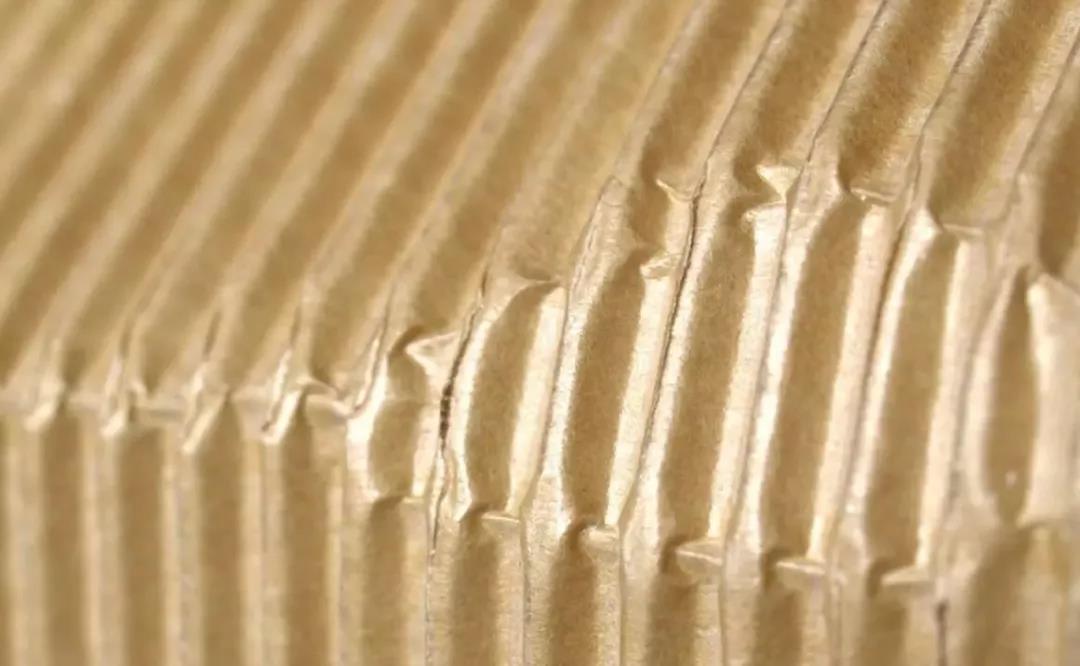
Adhesion strength refers to the bonding strength between corrugated paper and face paper or back paper. Apply an outward pulling force perpendicular to the surface of the face paper or the corrugated core paper until the two are separated. The maximum load that the interface of the adhesive or adhesive fiber can withstand before separation is the adhesion strength of the sample, also known as peel strength, and the unit is N.
The picture comes from Baidu Pictures
The bonding strength can be measured using a small pressure tester. The tensile force applied to the face paper and the corrugated core paper is generated by two sets of pins inserted into the corrugated paper, so this test is also called the pin bonding strength test.
The model of the test rod depends on the model of the corrugated paperboard to be tested. The long set of test rods is inserted on the lower side of the corrugated paper, and the short set of test rods is inserted below the corrugated paper. Then pull the upper side upward and the lower side downward to measure the bonding strength of the weaker side of the two bonding surfaces. When the long set of test rods is inserted into the upper or lower side of the paper core at intervals, and the short set of test rods is also inserted into the same side of the paper core at intervals, the bonding strength of the side connected to the test rod can be measured.
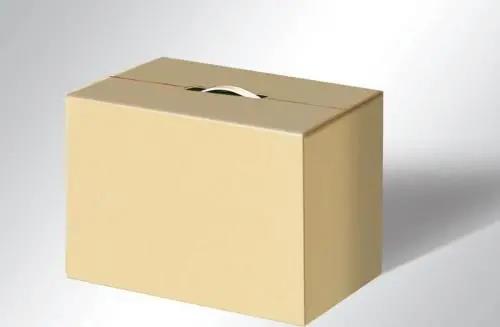
Corrugated boxes can replace wooden boxes to a large extent, but the main reasons why they cannot completely replace wooden boxes are: 1. They are not as resistant to water and moisture as wooden boxes; 2. They are easily punctured by sharp objects; 3. They are not as strong in compression as wooden boxes. The last point has a particularly great impact. Therefore, it is of great significance to study how to improve the compressive strength of corrugated boxes.
The picture comes from Baidu Pictures
Corrugated paper boxes are packaging containers, and their tests can be carried out according to the requirements for packaging containers. The main test items are:
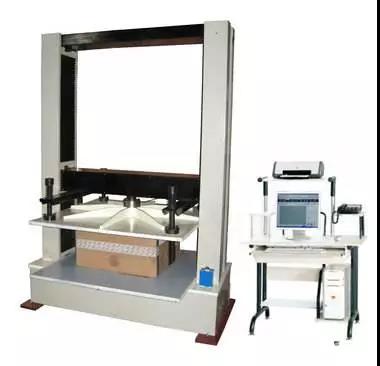
1) Carton pressure test
The picture comes from Baidu Pictures
Carton pressure test is also called compression test, which is the most basic test of carton performance. Through this test, the compression resistance of the carton under different conditions can be determined.
The equipment used for the carton pressure test is a pressure tester specially designed for carton. The pressure area of the workbench of this tester is relatively large. Generally, the area of the upper and lower pressure plates is 1.5m*1.5m or 1m*1m respectively. One of the two pressure plates is a support plate, whose position can be adjusted according to the size of the sample to make it have a suitable height, and then it is tightened; the other is a pressure plate, which can slide along the guide rod to apply pressure to the sample.
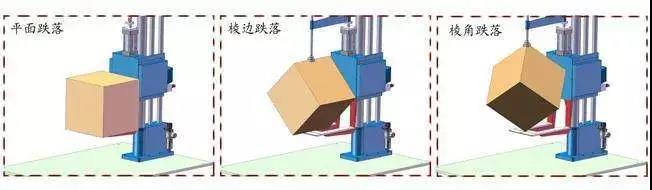
2) Carton drop test
The picture comes from Baidu Pictures
The drop test is a common test for general commodity packaging and is also used for corrugated boxes. The drop test can be used to test the physical strength of the contents under different drop conditions. At the same time, the test can also be used to determine the performance of the box and the cushioning effect of the box structure.
The drop test is a simple and applicable test. It is suitable for packages with a total weight of less than 150kg or a smaller volume. The equipment used in the test machine is relatively simple, and a hook drop test machine or a support plate test machine can be used.
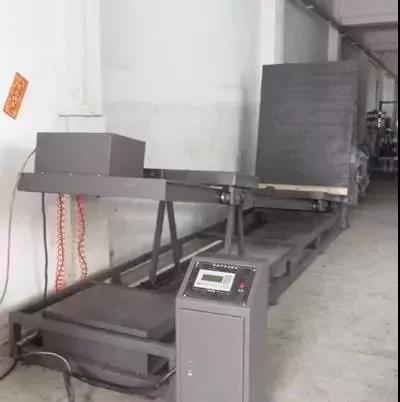
3) Bevel impact performance
The picture comes from Baidu Pictures
For packages that are heavy or large in volume, such as large packages weighing more than 150 kg, an inclined impact test can be used to test the impact resistance of the package and its contents.
Incline impact test can simulate the strong impact load caused by train and car starting, braking and going downhill. In addition, this test can also provide similar experiments for various impact loads caused during the transportation process (such as goods passing through conveyor belts, lifting, unloading, etc.). The test device is a collision test machine composed of a slide, a pulley and a baffle.
4) Hexagonal drum test
The hexagonal drum test is a comprehensive test that simulates the various external loads that cartons with items inside are subjected to during transportation. This test can imitate the situation where cartons are transported from a conveyor belt into a warehouse, a cabin, or a carriage, or are transported from one floor to another by a conveyor belt. The tumbling and falling of cartons in the test machine is random and has no definite rules. The natural fall of cartons can fall on the baffle of the drum, or on every corner, edge, or surface of the drum, providing various load tests for cartons.
This test can achieve two purposes: simulate the impact and vibration that the carton may encounter during transportation, and determine the carton's ability to withstand these impacts and vibrations; determine the protection of the carton, inner packaging and shockproof materials to the contents. In addition, this test is also useful for determining the reliability of the carton's joints and closures. This test is measured on a hexagonal drum testing machine.
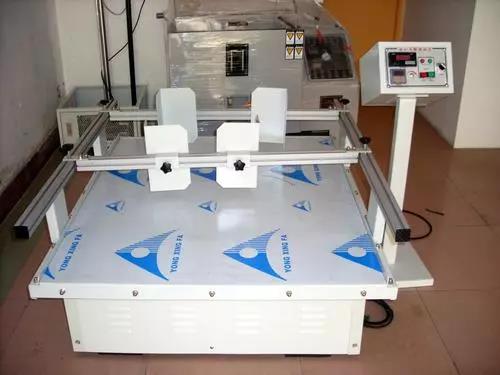
5) Vibration and anti-vibration performance test
The picture comes from Baidu Pictures
During transportation, cartons will be subjected to vibrations of different frequencies and amplitudes, which will affect the cartons and the items inside, such as deformation and cracking of cartons, surface wear, ink stains, etc. Vibration tests can simulate general vibrations during transportation, and can also perform some accidental vibrations with known parameters. Since the vibration frequency range during transportation is very wide, the test includes two aspects: one is to place the carton on the vibration table without tying it tightly, and test the carton's ability to withstand fatigue and high-frequency vibration caused by repeated vibrations; the other is to tie the carton tightly and place it on the vibration table to check whether low-frequency vibrations will cause resonance in the carton's contents. This test is suitable for items such as electronic instruments that are very sensitive to low-frequency vibrations.
The vibration table for carton vibration test can generate a vibration frequency of 1-80Hz and an acceleration of 0.5-10g (g=9.81m/s*s). The carton for the test can be placed on the vibration table. According to the test needs, the carton can be tied tightly or allowed to move freely. During the test, the stacking situation during transportation can be simulated and a simulated force load can be applied to the sample. The vibration table should also meet the requirements of adapting to the total load of the stacked cartons and the contents.
The basic method of the test is to reproduce the vibrations that occur during transport under experimental conditions, such as in a train compartment, a car compartment, or an aircraft cabin. The vibration load depends on the type of transport.
When testing the vibration strength of cartons, the number of samples should be adapted to the actual situation. The number of cartons stacked is generally not less than 3, and the total stacking height should depend on the type of transportation. The stacking height for railway transportation is generally 2.5m, for trucks is 2m, and for air transportation is 1.5m. The end time of the test is determined by the damage rate of the cartons. The damage rate includes the damage of the carton seams and the adhesive wall.
6) Spray test
Corrugated cartons are sprayed with water for a specified time and amount under specified conditions to assess the cartons' ability to withstand water attack and their ability to protect the contents.
7) Other tests
Including weather resistance test and friction performance test, etc.


